Computer
Monitors, mice, keyboards — the gear on your desk.
Browse by type
Sub-categories
Latest
Recent in Computer
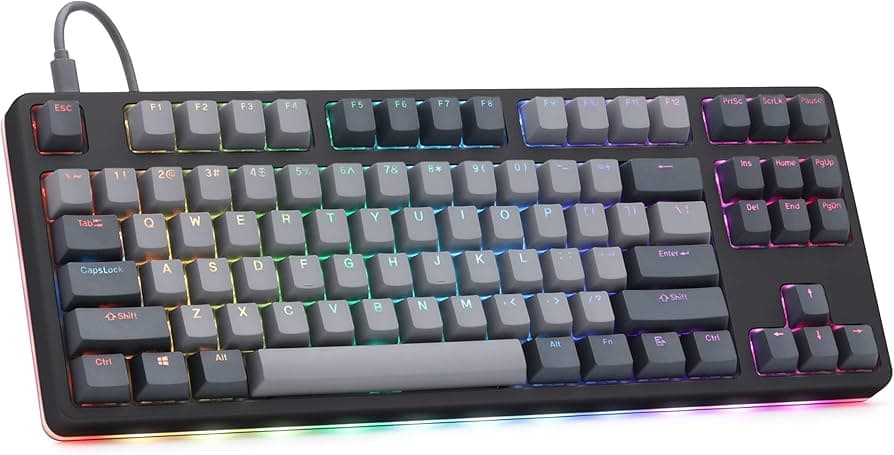
Tenkeyless aluminum with hot-swap sockets, upgraded Phantom stabilizers, and a build that feels closer to a $400 custom than the $250 price tag. No numpad, no wireless, heavy enough to anchor a small boat.
Read review→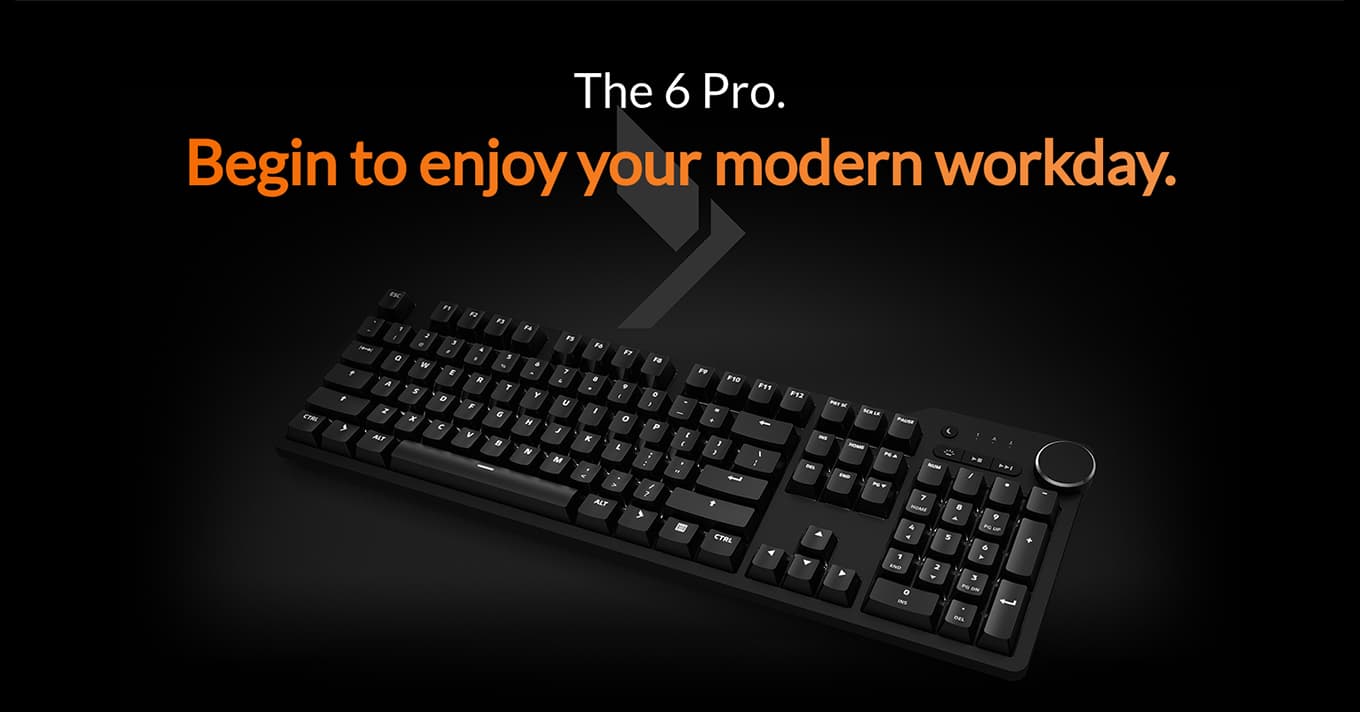
Cherry MX switches, aluminum top plate, brass feet, a real volume knob, and absolutely nothing else. At $199 it's a tool, not a hobby project.
Read review→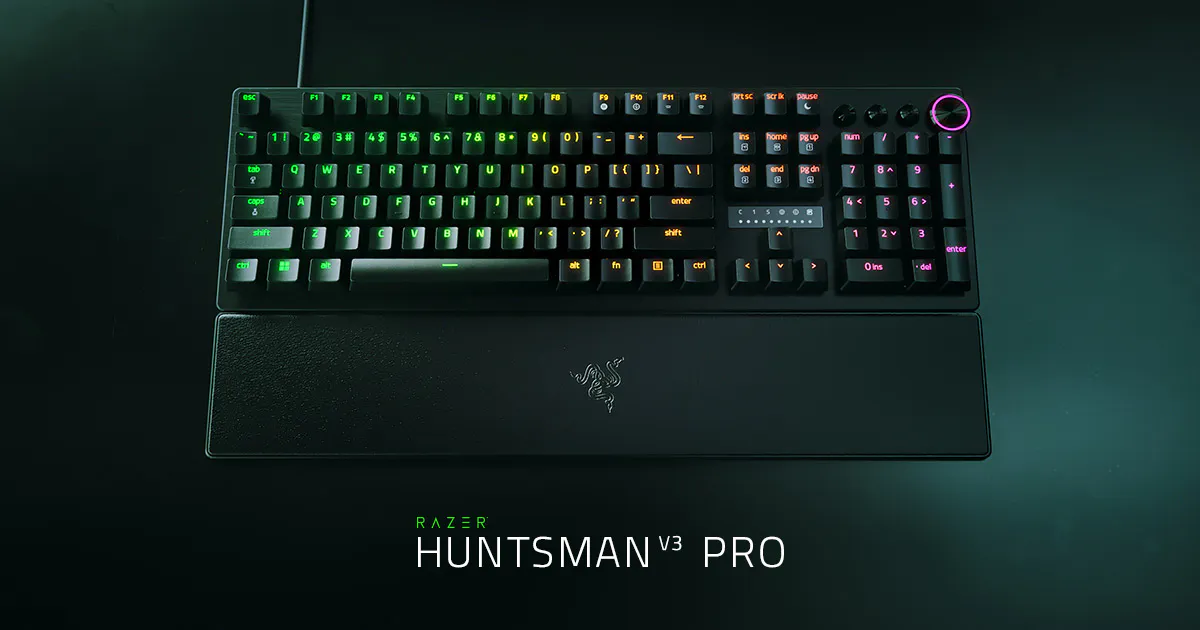
The Huntsman V3 Pro is the gaming keyboard for people whose K/D ratio is a line item on their resume
8.9Optical switches with per-key 1-4mm actuation, 8kHz wired polling, and Rapid Trigger built in. Around $220 of analog precision, with a Razer software requirement that makes me want to scream.
Read review→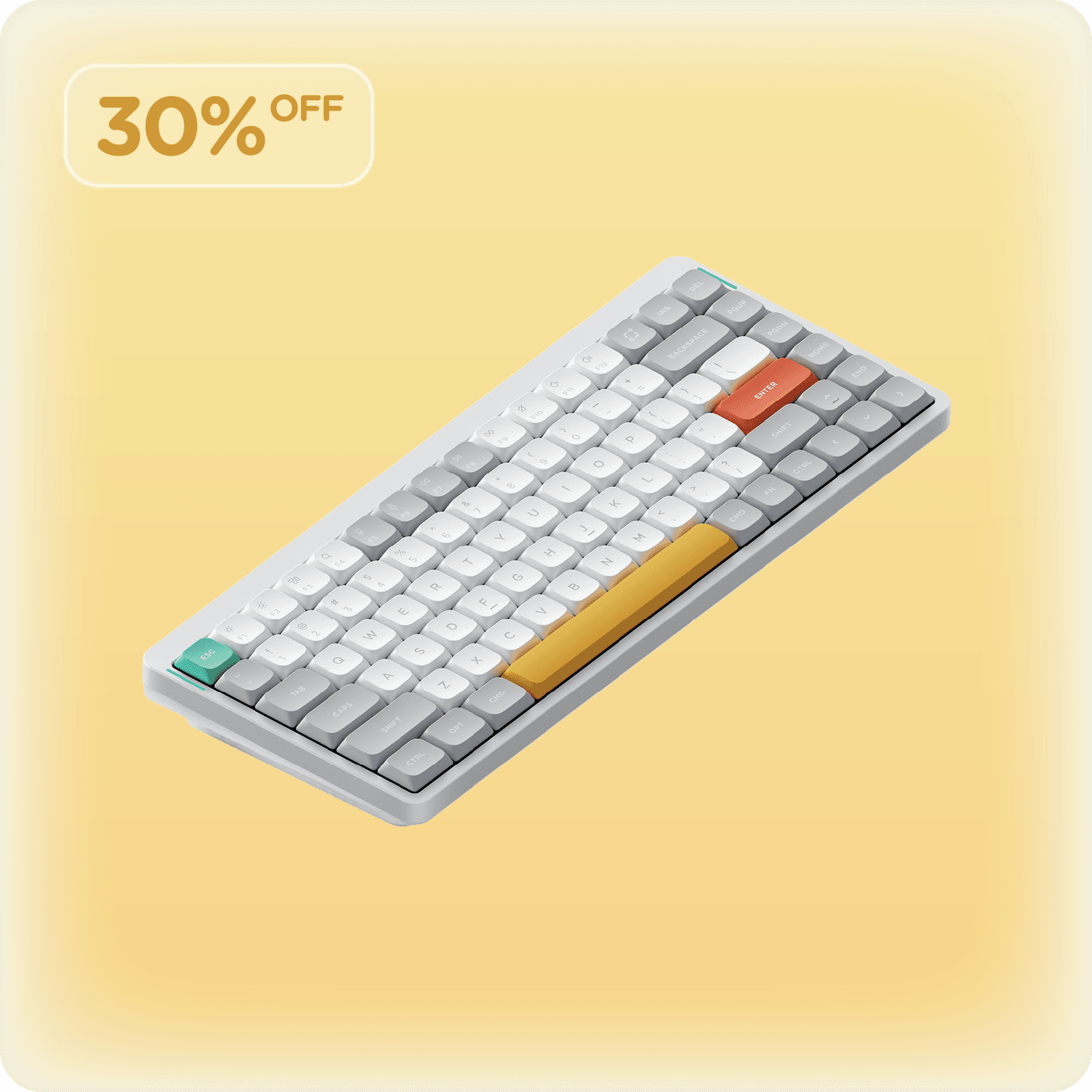
75% low-profile with hot-swap Gateron switches, 220-hour battery, and a height that sits flush over a MacBook's built-in keys. The compromise board for people who refuse to compromise on typing posture.
Read review→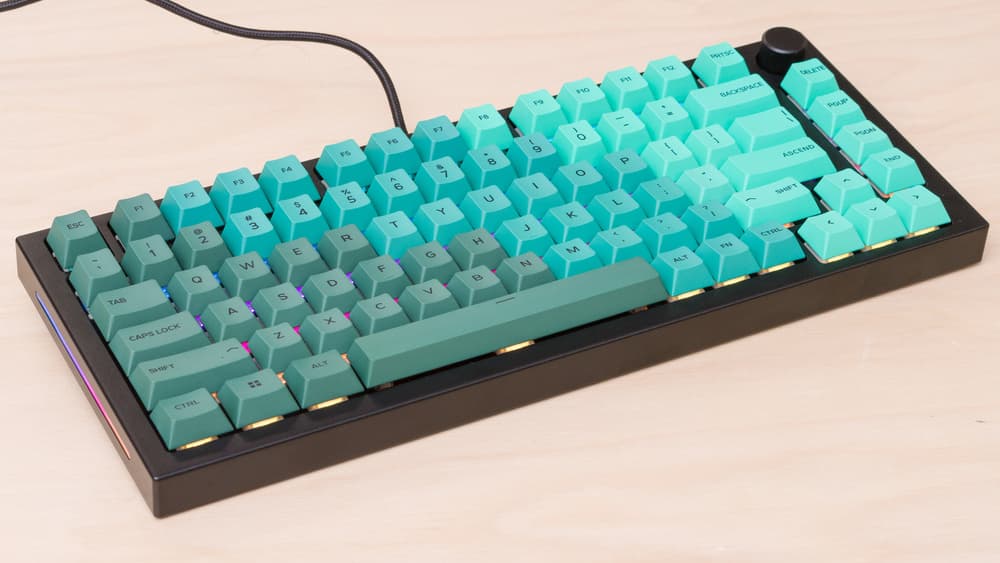
CNC aluminum 75% with gasket mount, hot-swap sockets, VIA support, and a rotary knob for $170. The platform that lets you spend the next year tinkering, or the platform that lets you stop tinkering.
Read review→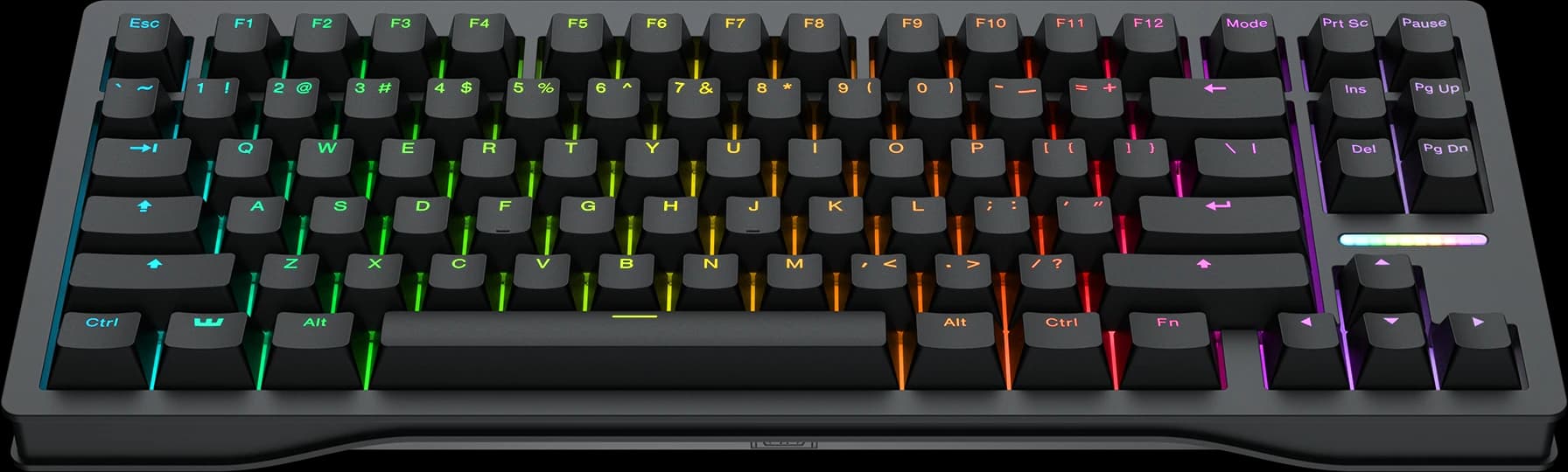
80% layout, Lekker switches with per-key actuation from 0.1mm to 4mm, 8000Hz polling, and a web-based configurator that works on any OS. The most adjustable keyboard you can buy, with rough edges around the polish.
Read review→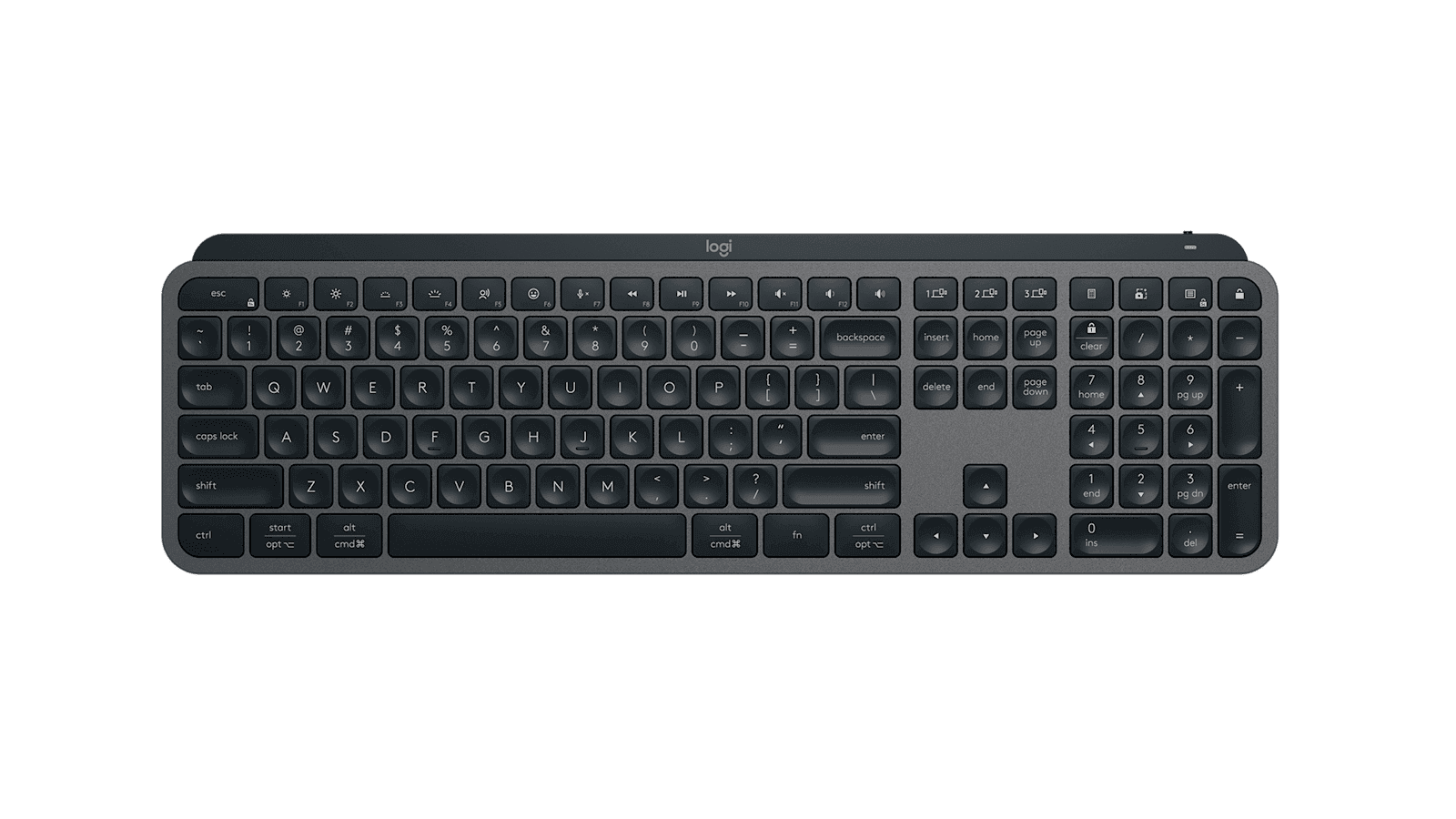
Scissor-switch slab with ambient-light auto-brightness, three-device pairing, and weeks of battery between charges. Same hardware as the 2019 original, $10 cheaper, with a few software tricks bolted on.
Read review→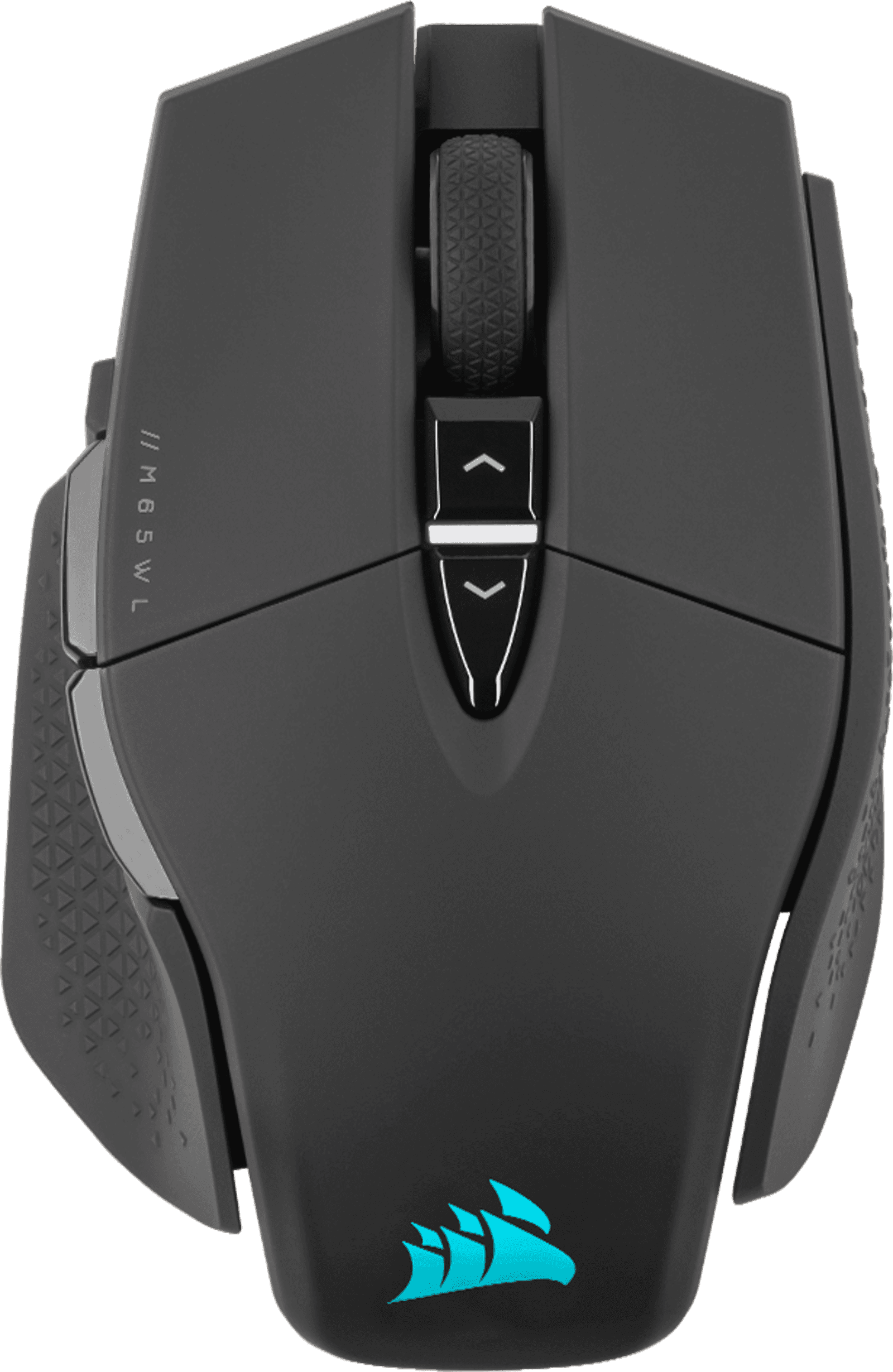
A tunable-weight FPS mouse with a dedicated thumb DPI-shift button, in a category that's spent five years chasing 60 grams and dropping every extra button. The shape is right; the price is steep.
Read review→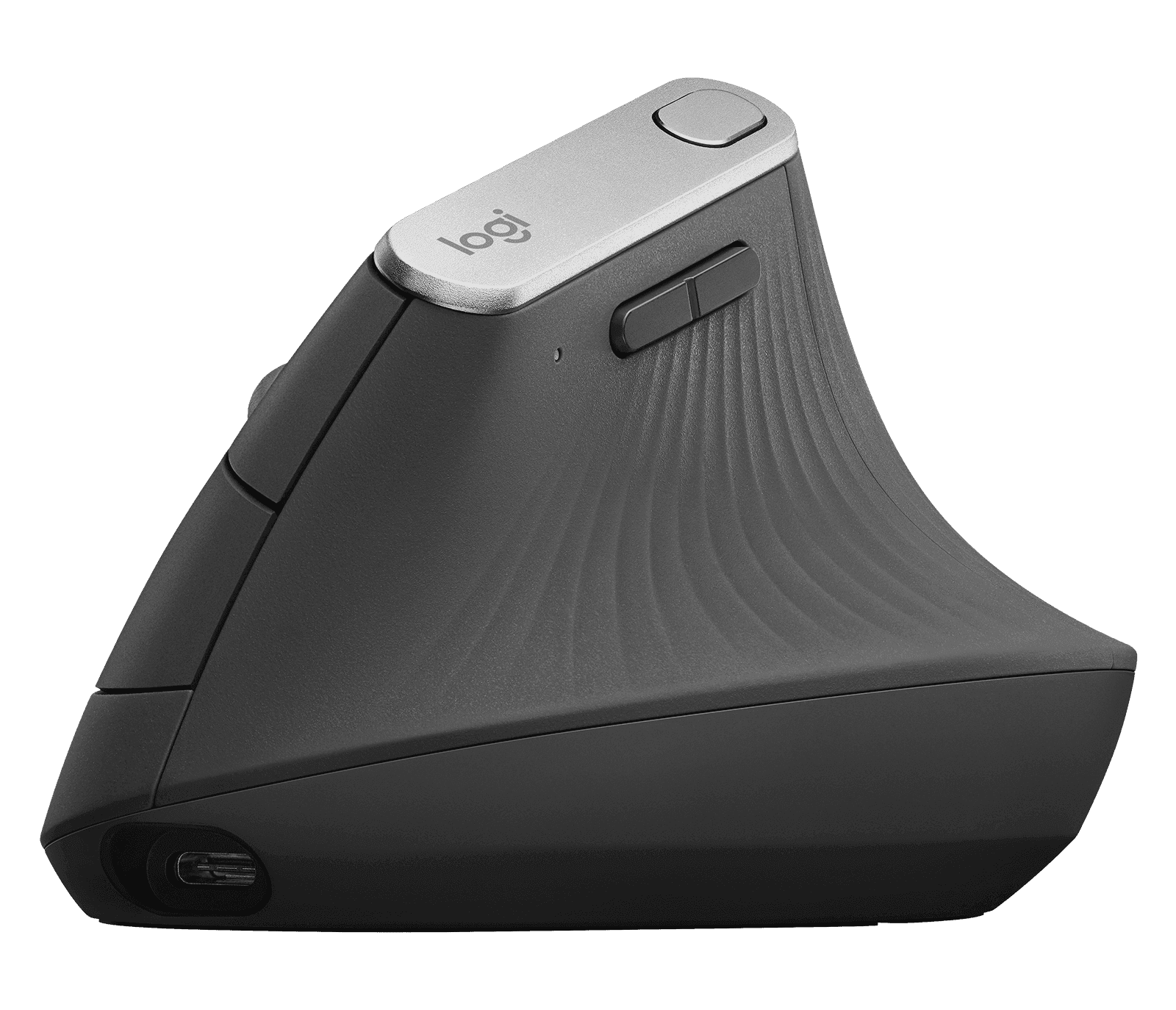
A 57-degree vertical ergonomic mouse that costs $100, drops your productivity by about 15 percent for a week, and pays it back in not hurting anymore.
Read review→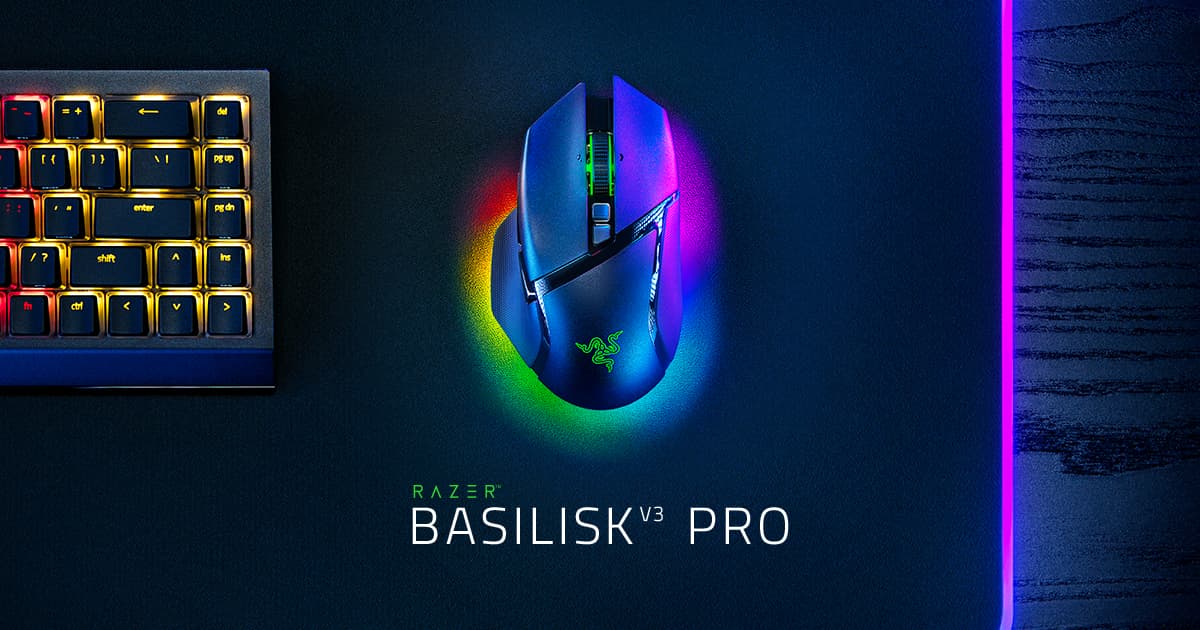
Ninety grams, twelve programmable buttons, a tilt wheel that toggles between notched and free-spin, and a 140-hour battery. Heavier than the FPS flagships, on purpose.
Read review→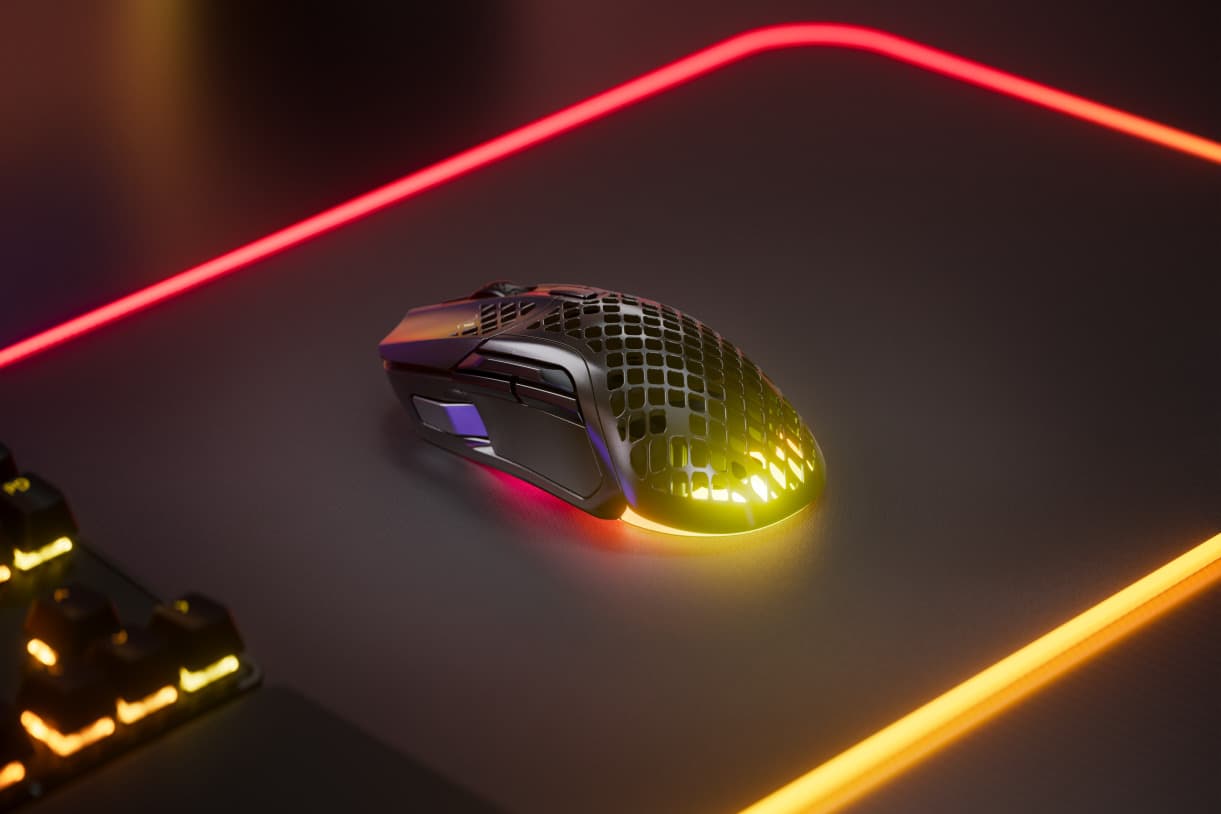
Seventy-four grams, nine programmable buttons, and IP54 splash resistance — a combination almost nothing else in the category offers. The sensor is a half-generation behind, and the price is full-generation.
Read review→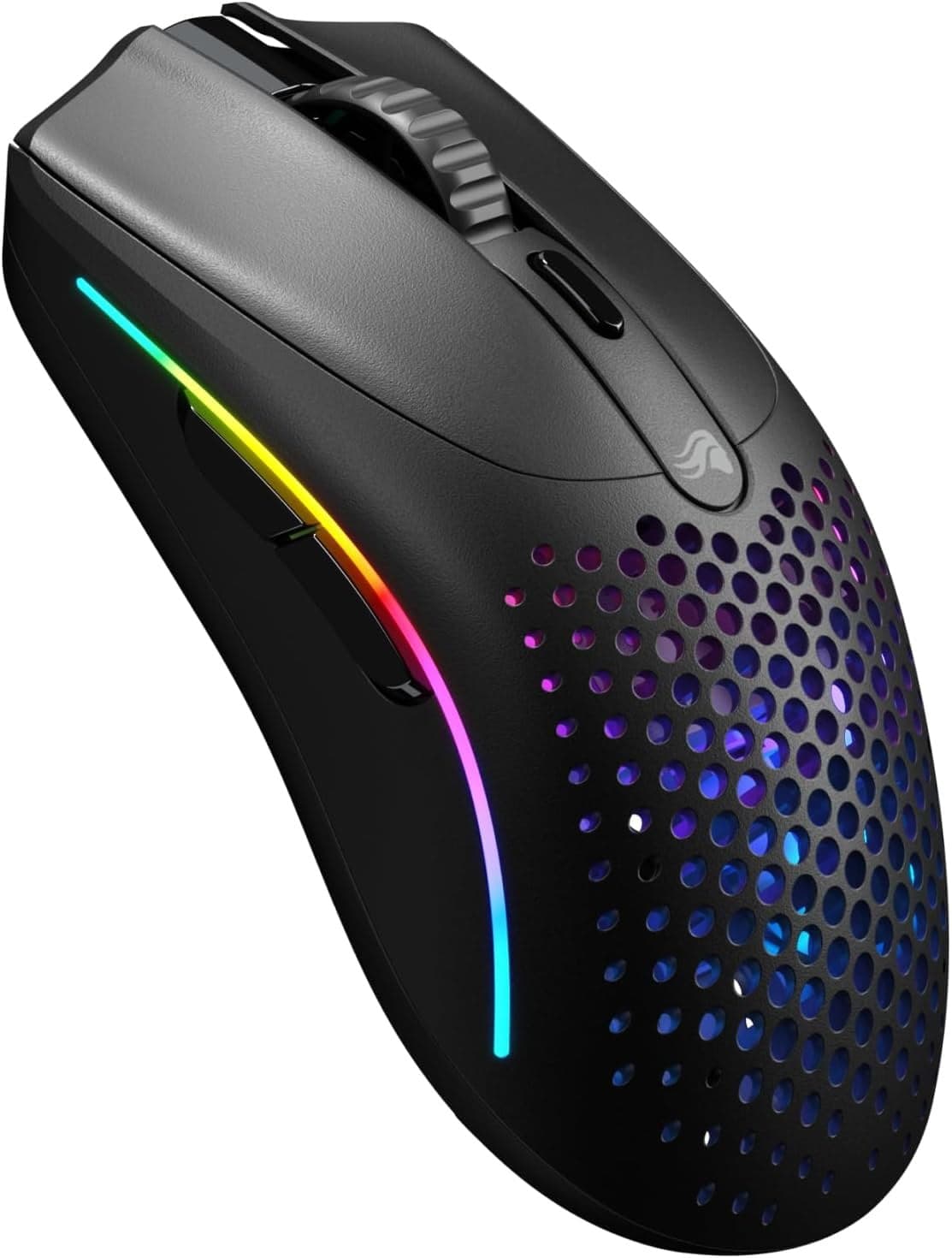
Sixty-eight grams, a refined hole pattern, a 110-hour battery, and a real shape for claw and fingertip grippers. The wireless version has documented latency wobbles the wired one doesn't.
Read review→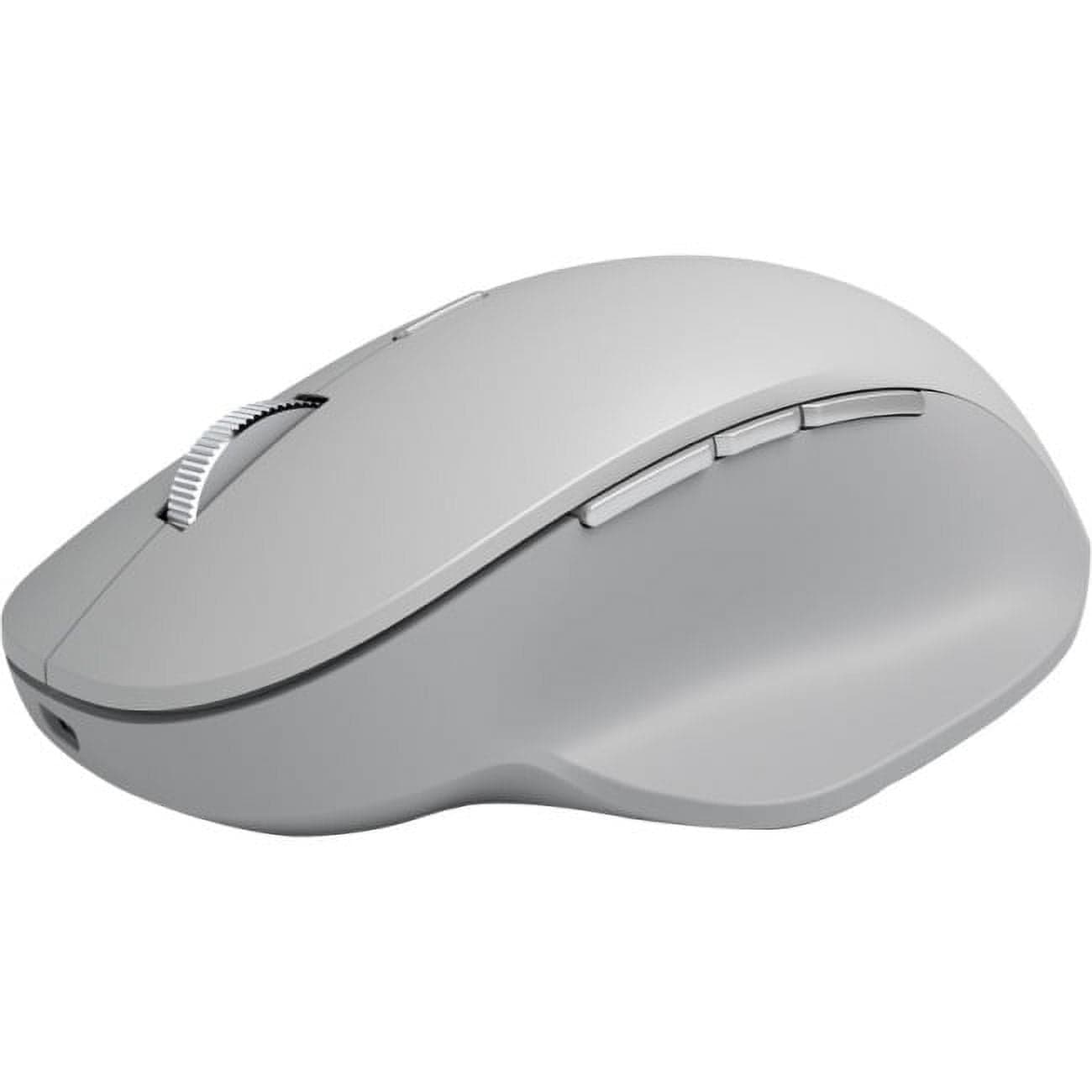
An ambidextrous, three-PC-pairing Windows mouse with a smart-switch cursor that flows between machines. Aged hardware, narrow audience, surprisingly hard to displace.
Read review→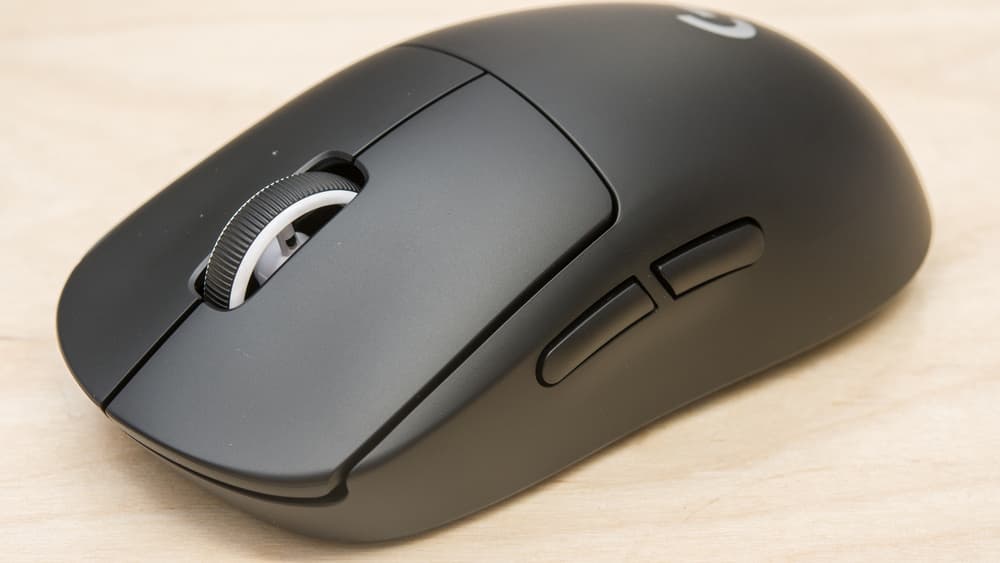
Sixty grams, a 95-hour battery, and the cleanest tracking Logitech has ever shipped. No Bluetooth, no productivity tricks, $159 — and worth it if competitive aim is the whole point.
Read review→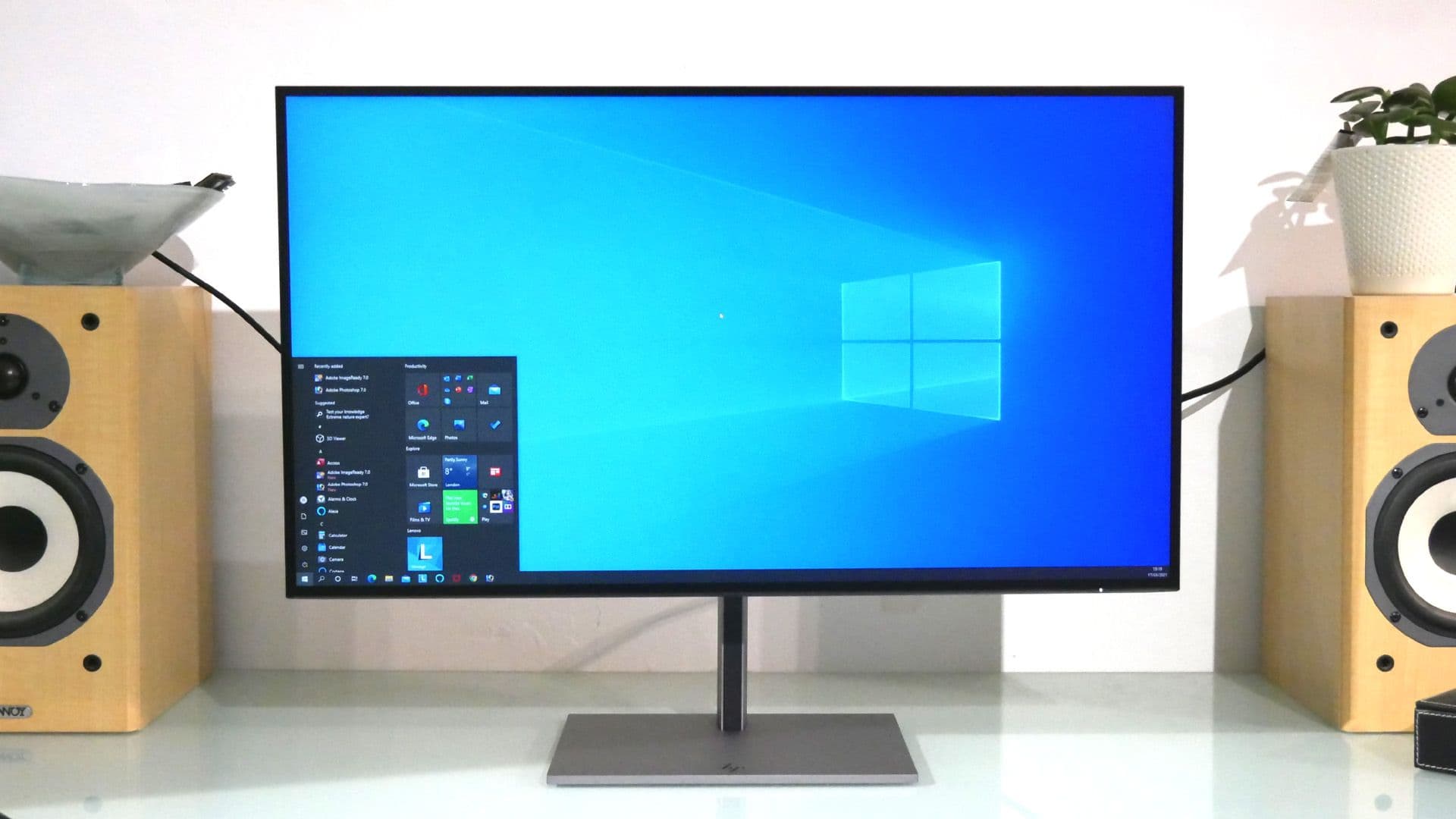
A 27-inch QHD IPS with 100W USB-C, Gigabit Ethernet, and excellent ergonomics in a 38mm chassis. The color coverage rules it out for any real design work — and HP knows it.
Read review→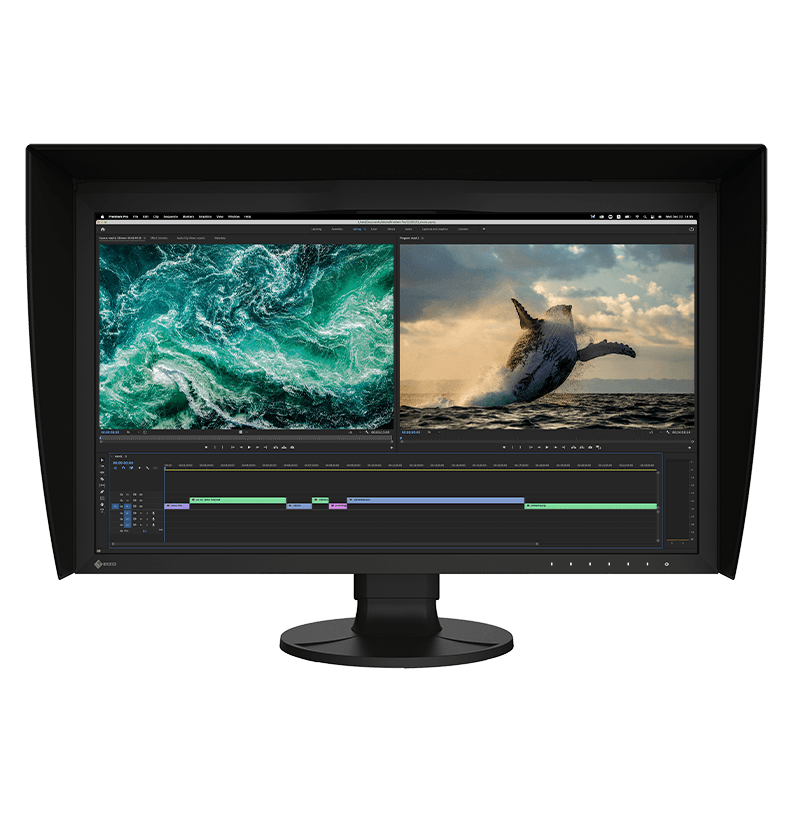
A 27-inch wide-gamut reference monitor with a built-in colorimeter, a five-year warranty, and pricing that makes clear it's a tool for working professionals. Worth it if your invoice depends on color being right.
Read review→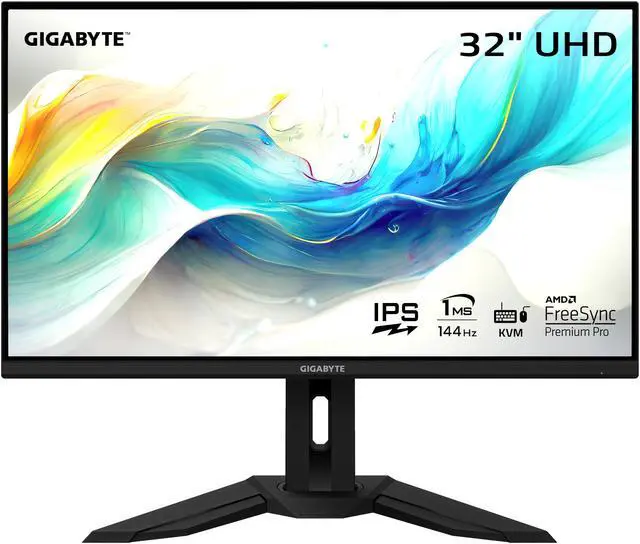
Dual HDMI 2.1, a built-in KVM, and 144Hz at 4K on a 32-inch panel for $800. Mediocre HDR and out-of-box color that needs a calibration pass, but no real competition under a thousand.
Read review→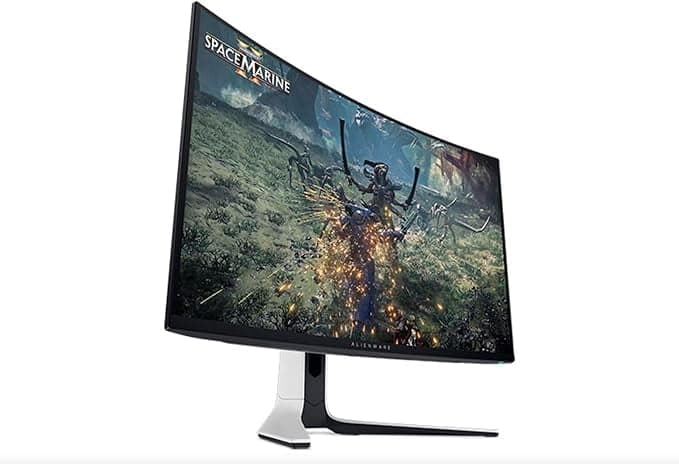
A 32-inch curved QD-OLED at 4K and 240Hz for $1,199, with color accuracy a reference monitor would respect. The curve and the modest HDR brightness are the only real catches.
Read review→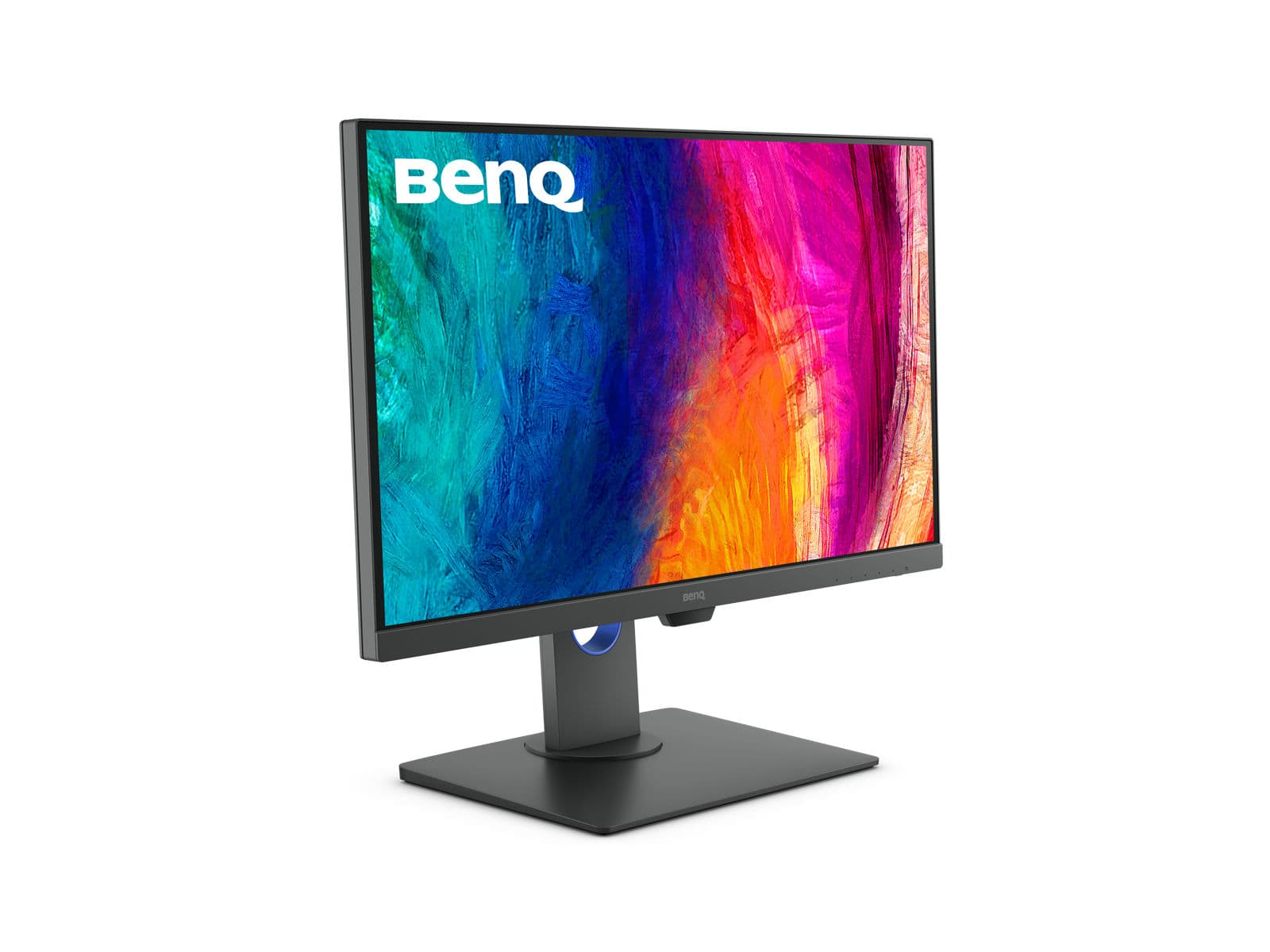
A factory-calibrated 27-inch 4K IPS with 10-bit color and a matte coating that holds up in any office. 60Hz only, and that is the entire reason it costs what it does.
Read review→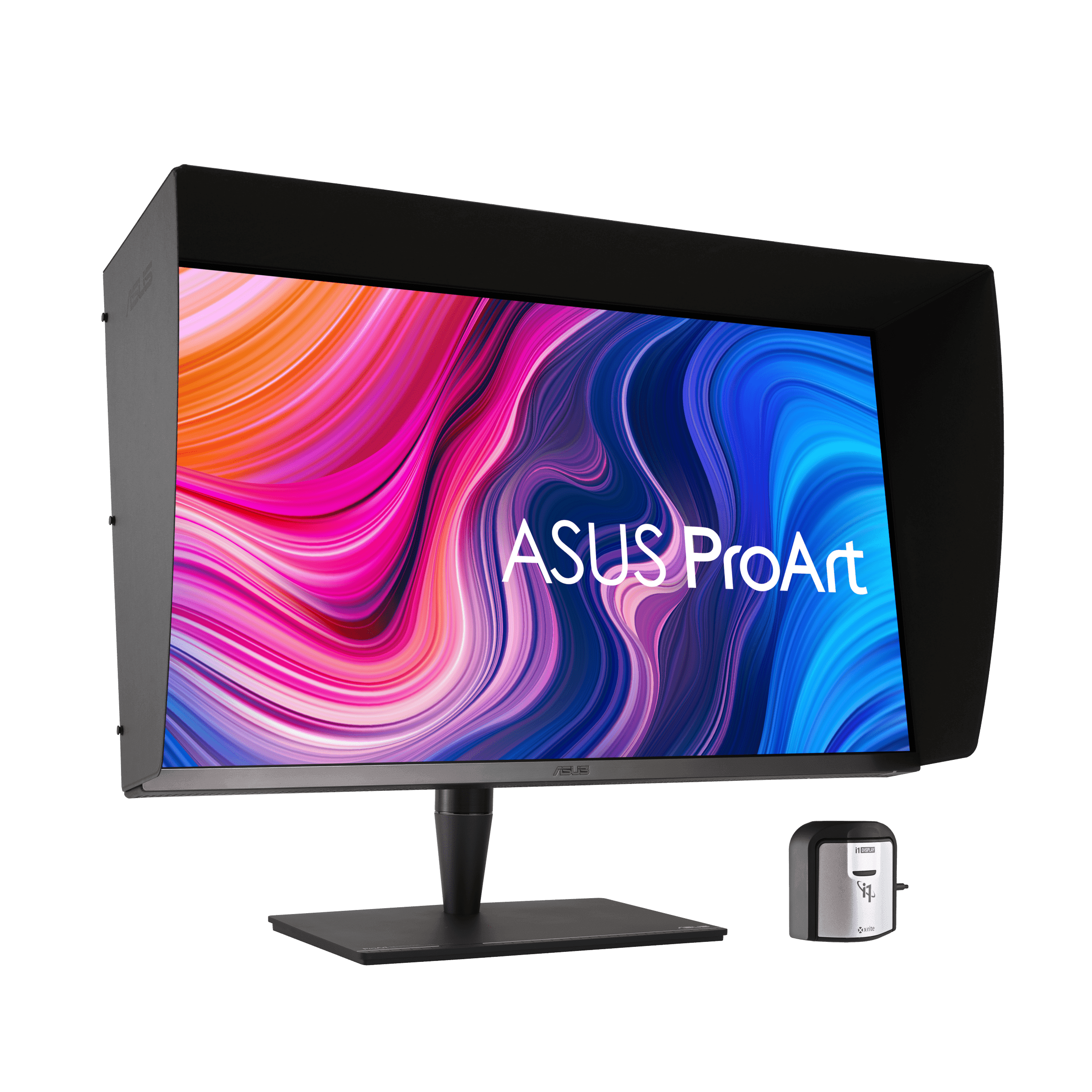
A 32-inch reference-class mini-LED that ships with its own calibrator and a $4,000 price tag. If you're not a colorist, retoucher, or HDR finisher, you're paying for capability you won't use.
Read review→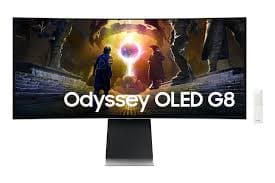
A 32-inch QD-OLED at 4K and 240Hz with Tizen built in, a remote in the box, and Netflix one click away. Low SDR brightness and the intrusive Smart TV layer are the prices you pay for the convenience.
Read review→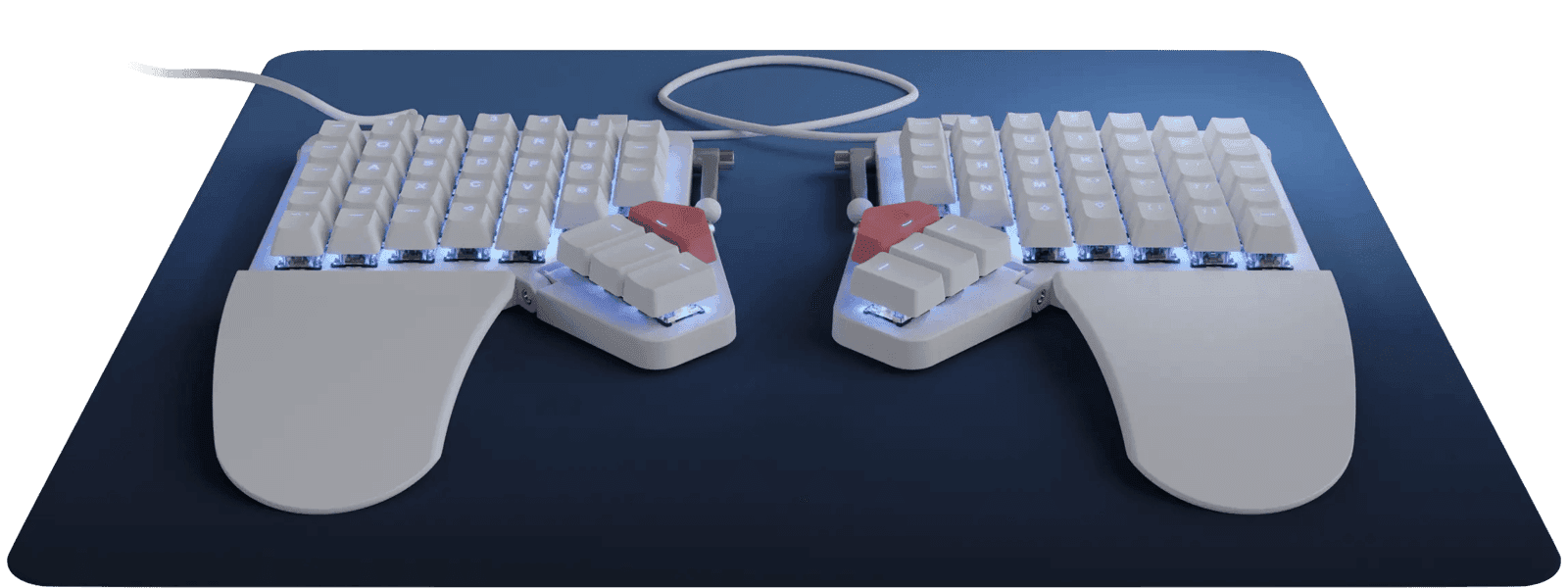
A split ortholinear with thumb clusters, full QMK programmability, and a four-to-six-week learning curve that ends either in conversion or in a return shipment. There is no in-between with this keyboard.
Read review→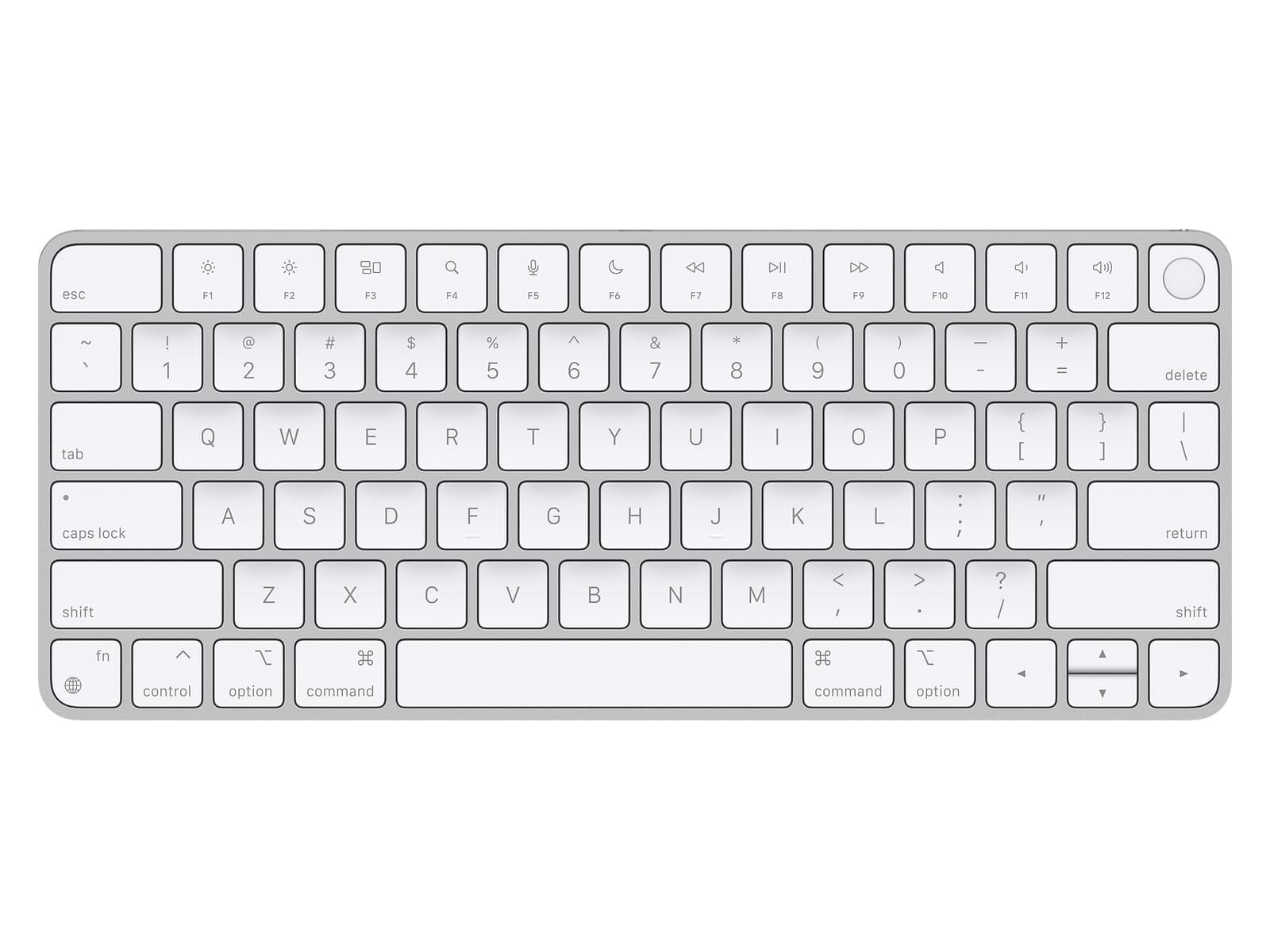
Fingerprint unlock and Keychain autofill on a Mac desktop is the workflow trick everyone underestimates. The keyboard around the sensor is a 2015 design with no backlight, and that's the only real catch.
Read review→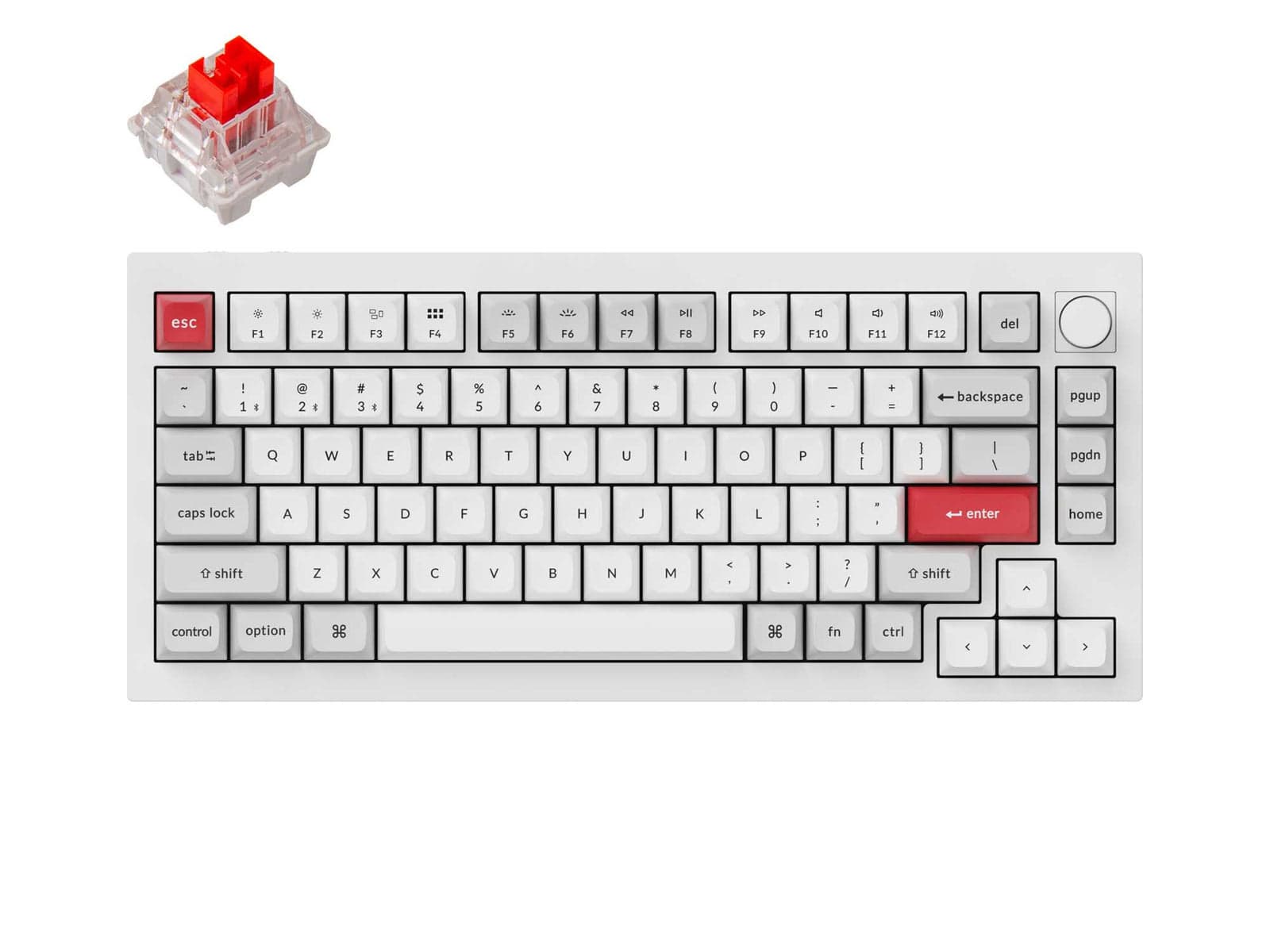
Aluminum 75% with gasket mount, hot-swap sockets, QMK firmware, and Bluetooth that actually holds a signal across the room. At $199 it gets close enough to the custom experience that I stopped saving for one.
Read review→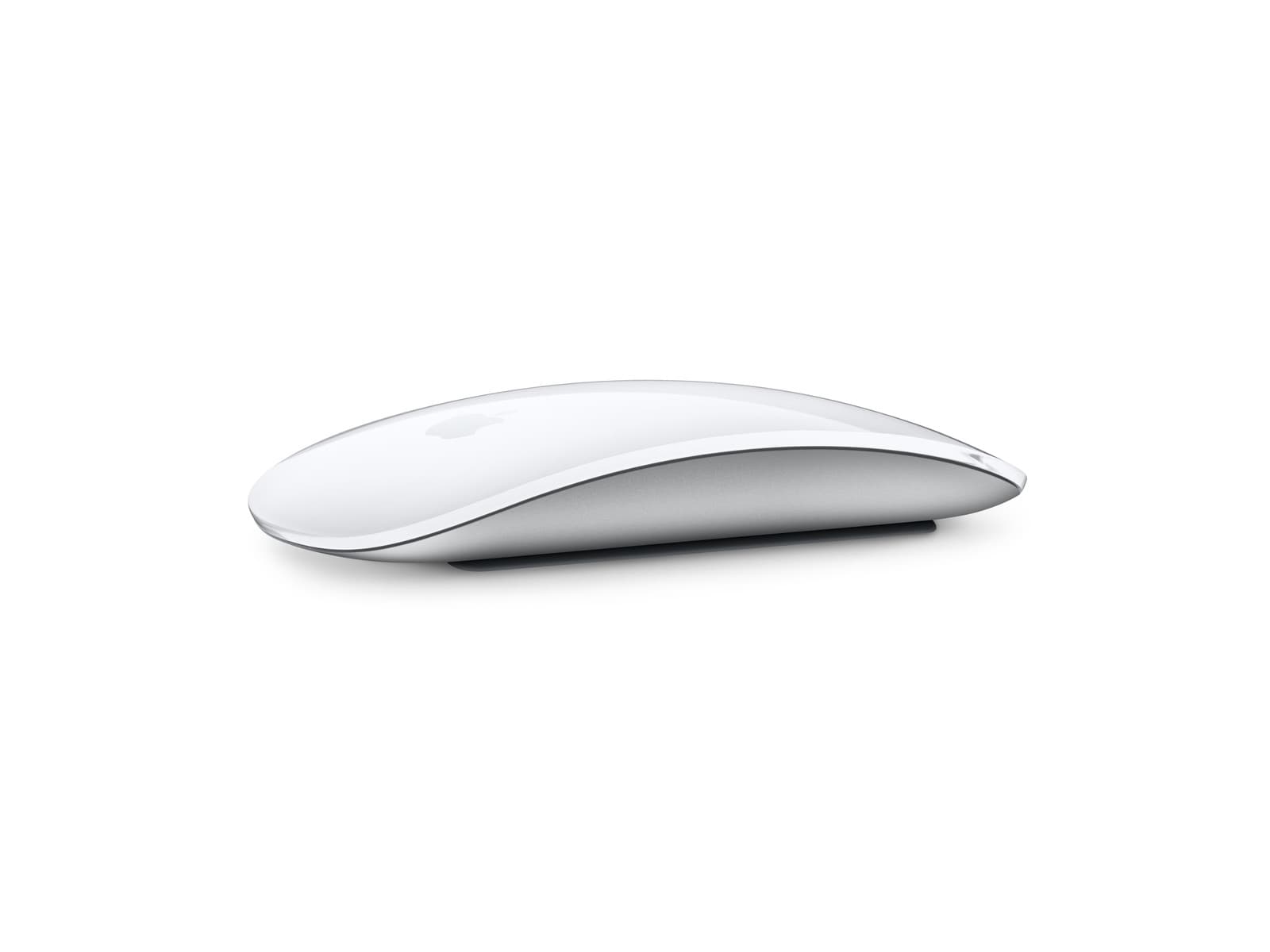
The 2024 refresh swaps Lightning for USB-C and changes nothing else. The gestures are still the best in the category and the ergonomics are still the worst.
Read review→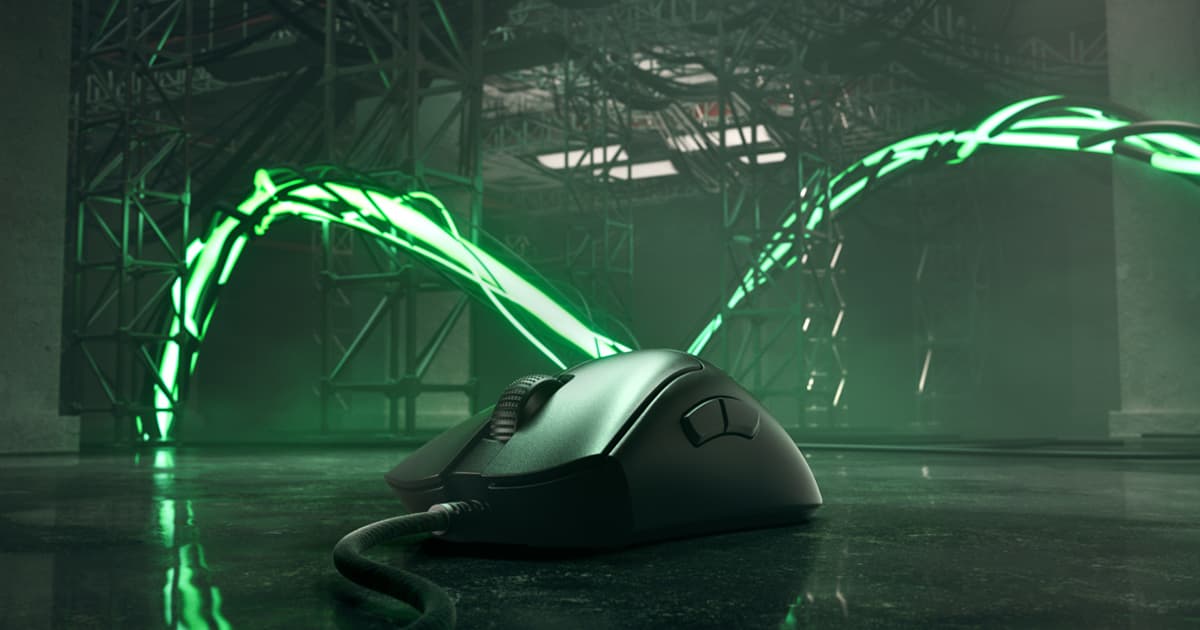
Sixty-three grams, a 30K Focus Pro sensor, optical switches that don't double-click, and absolutely no productivity features. The premium price buys you a mouse that does one job perfectly.
Read review→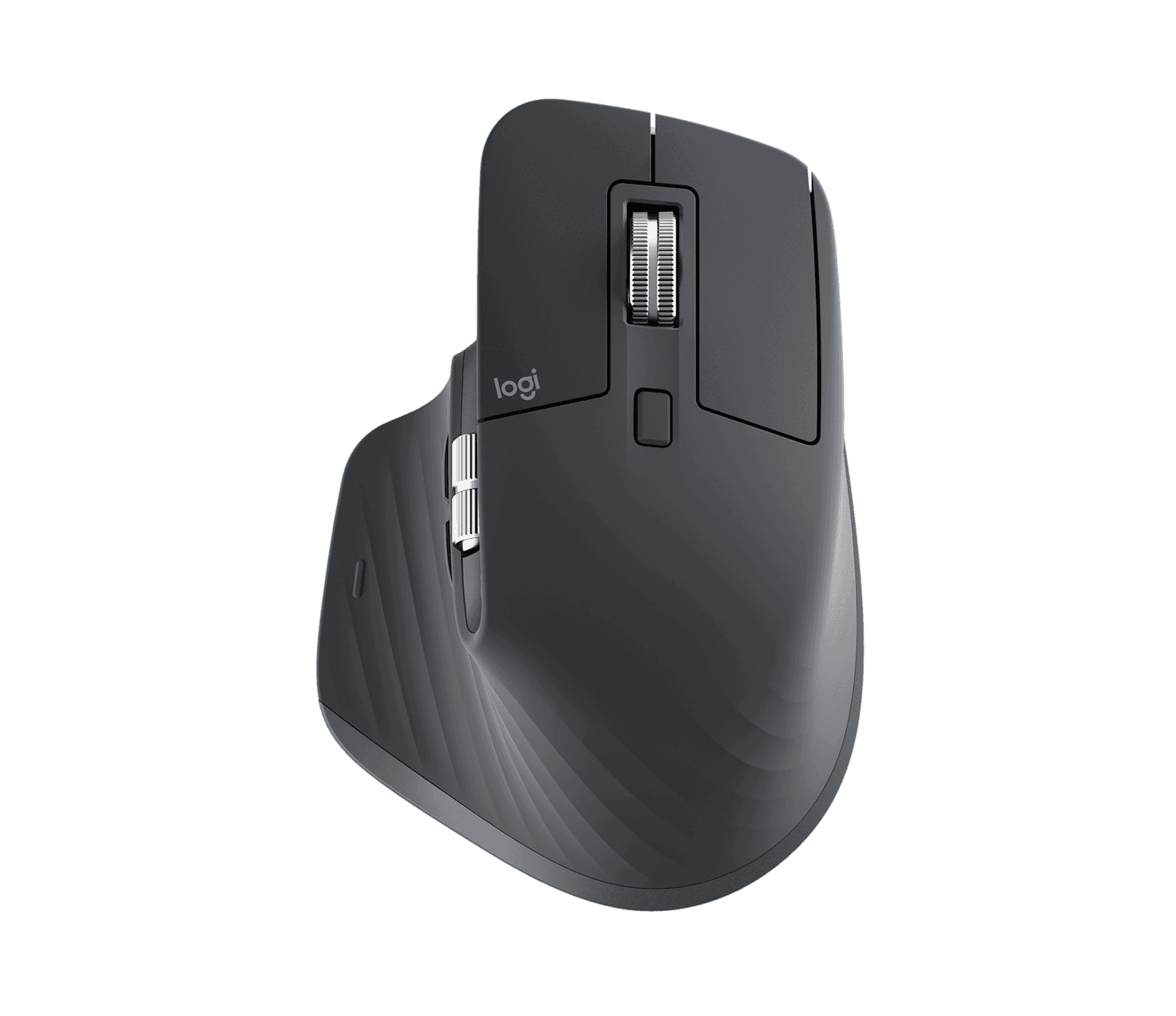
Quieter clicks, sharper sensor, same shape that thousands of people already know they like. The infinite scroll wheel alone earns the price.
Read review→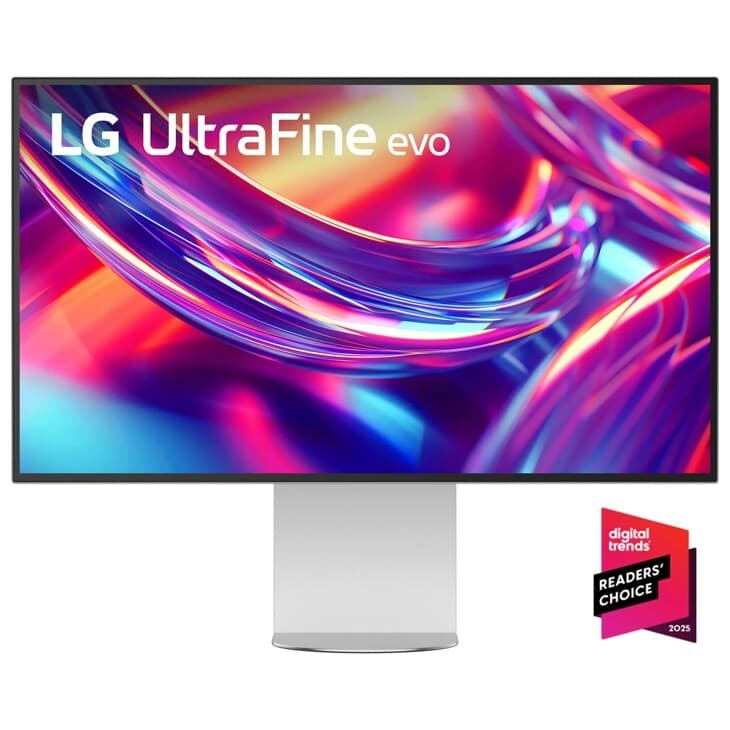
6144×3456 on a 32" panel is the first density jump that's actually visible since 4K. Thunderbolt 5 makes it a single-cable laptop dock. Two grand, and almost worth it.
Read review→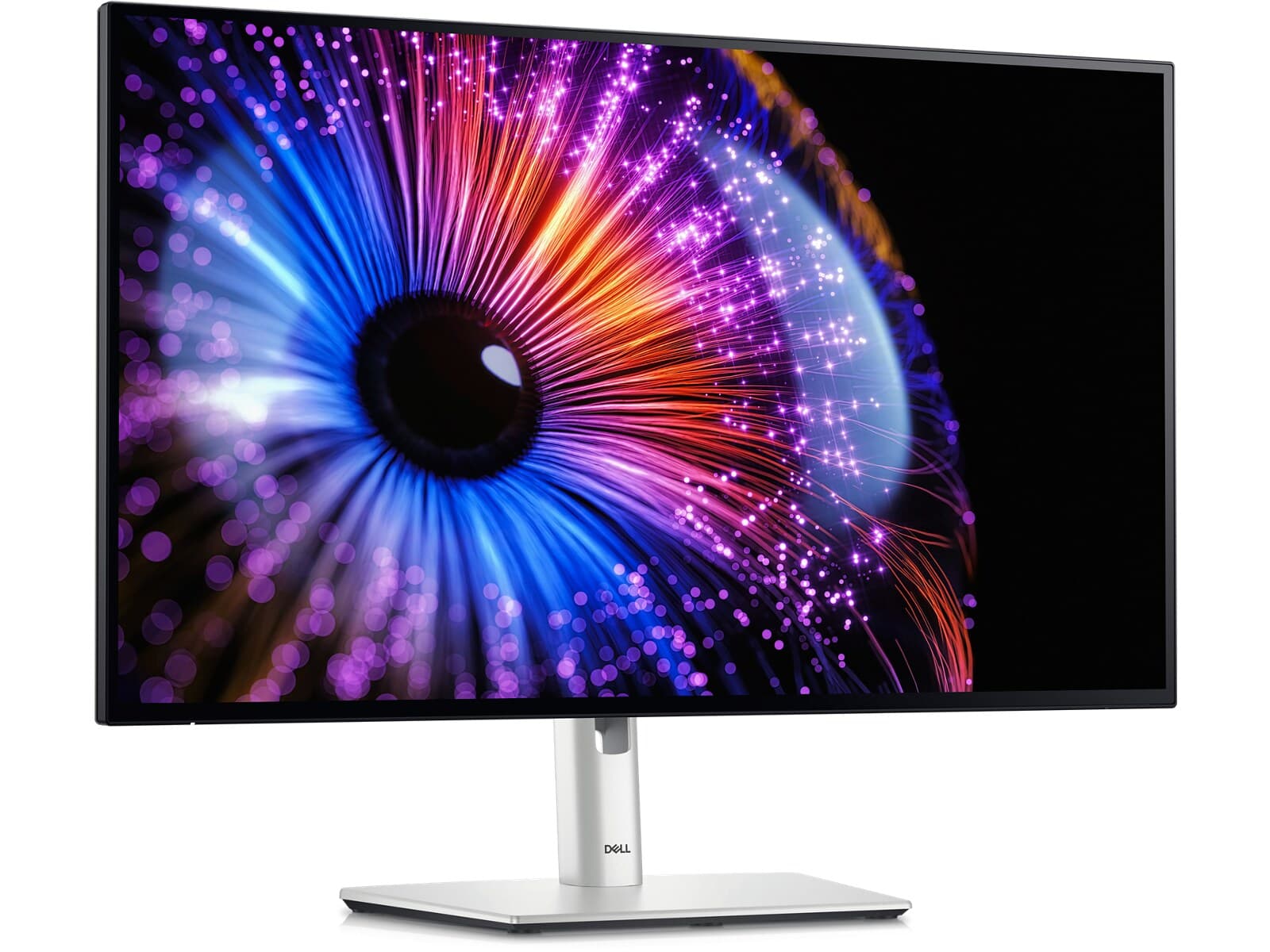
An IPS Black panel at 120Hz with the deepest port selection in the category and Thunderbolt 4 docking. The trade is resolution and HDR — neither of which you may actually miss.
Read review→
A 27-inch 5K panel that makes text look like print and a single Thunderbolt cable that does everything else. The webcam and the $400 stand are the parts that test your patience.
Read review→
A capacitive-switch keyboard with the iconic HHKB layout, plus a trackpoint, gesture pads, and Bluetooth. It is not for everyone. The people it's for will not shut up about it.
Read review→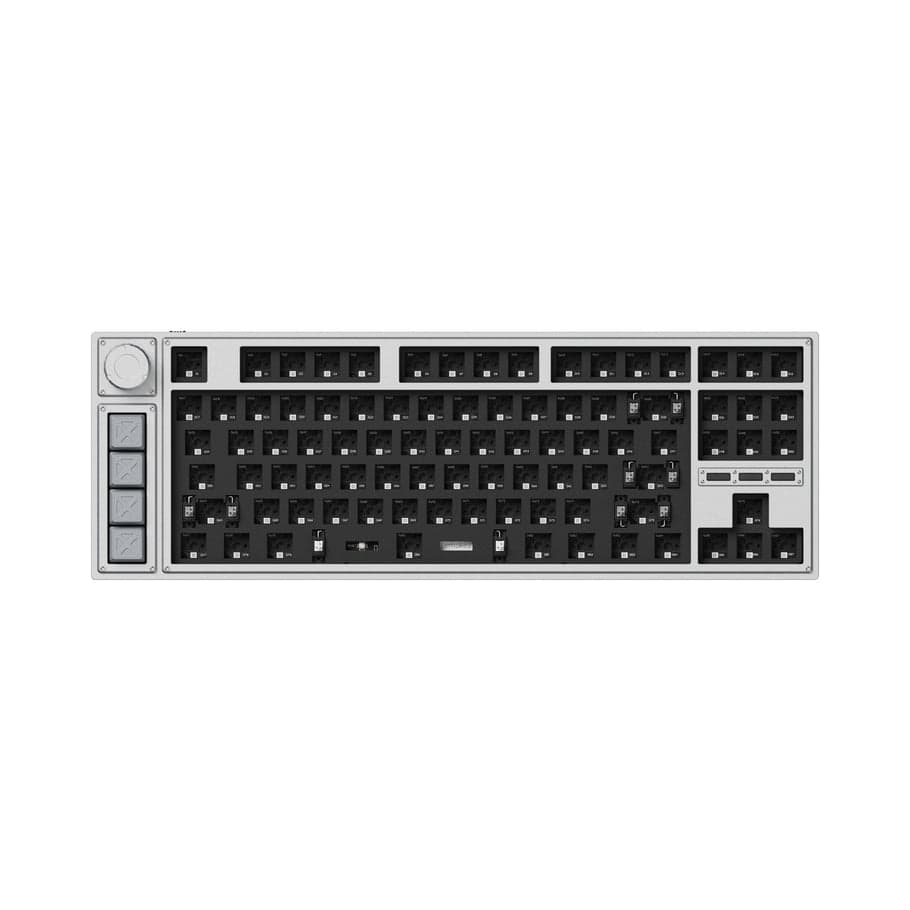
An 80% aluminum board with hot-swap switches, wireless, gasket mount, and no gamer LEDs screaming at you. Two hundred dollars for a keyboard that types like a $400 one.
Read review→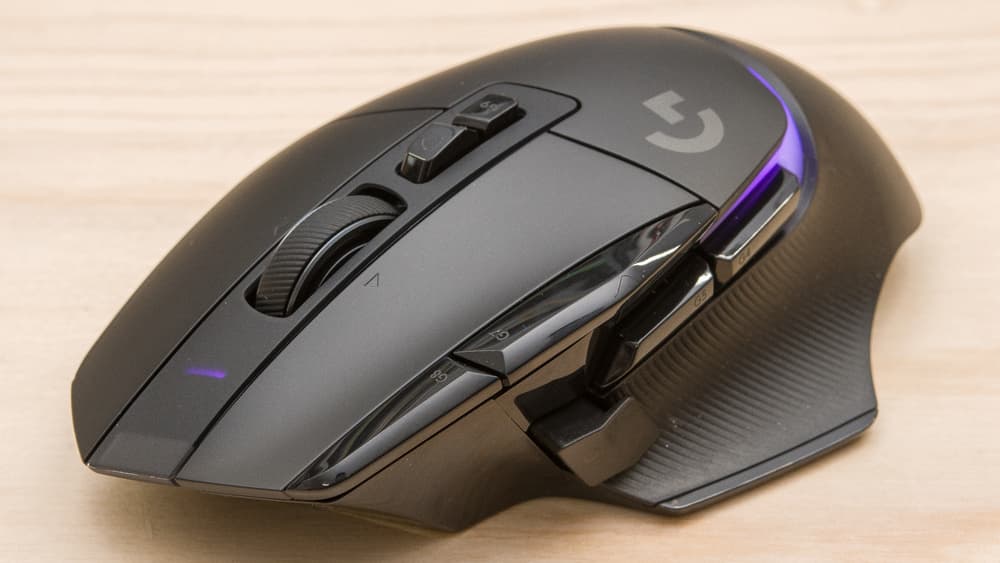
Logitech's heritage gaming mouse, now wireless and lit up. Around 106 grams, eleven buttons, and the shape that built the franchise. About $160 if it isn't on sale.
Read review→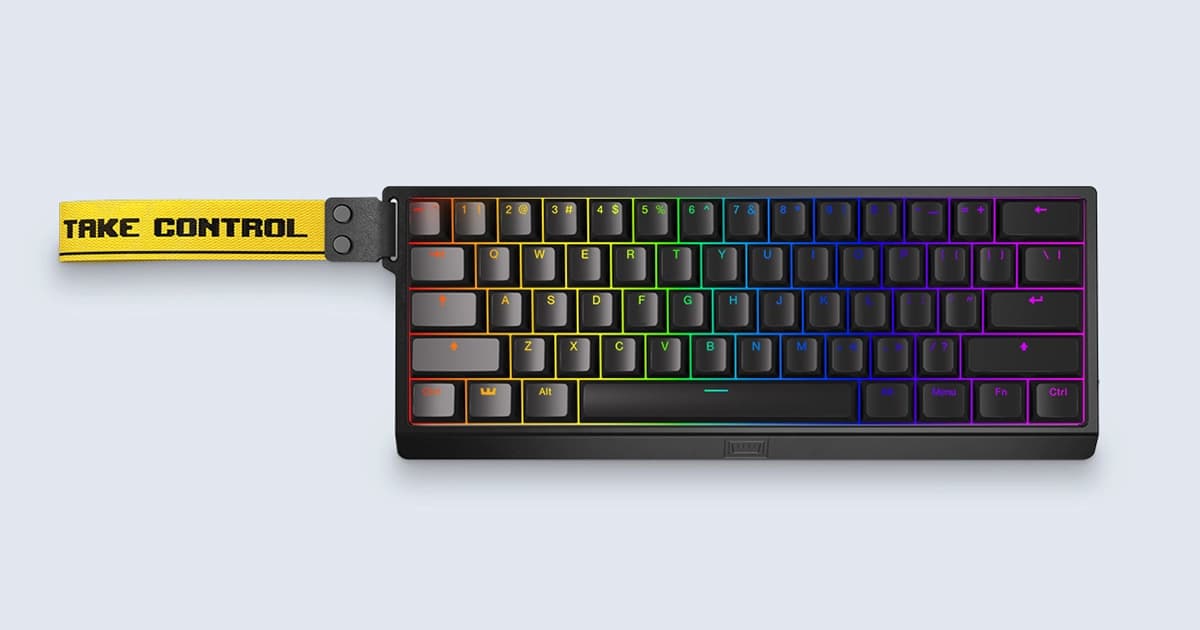
A 60-percent analog keyboard with Hall-effect switches that respond to how far you press. It's the closest a keyboard has come to feeling like a game controller, and it still types like a great mechanical board.
Read review→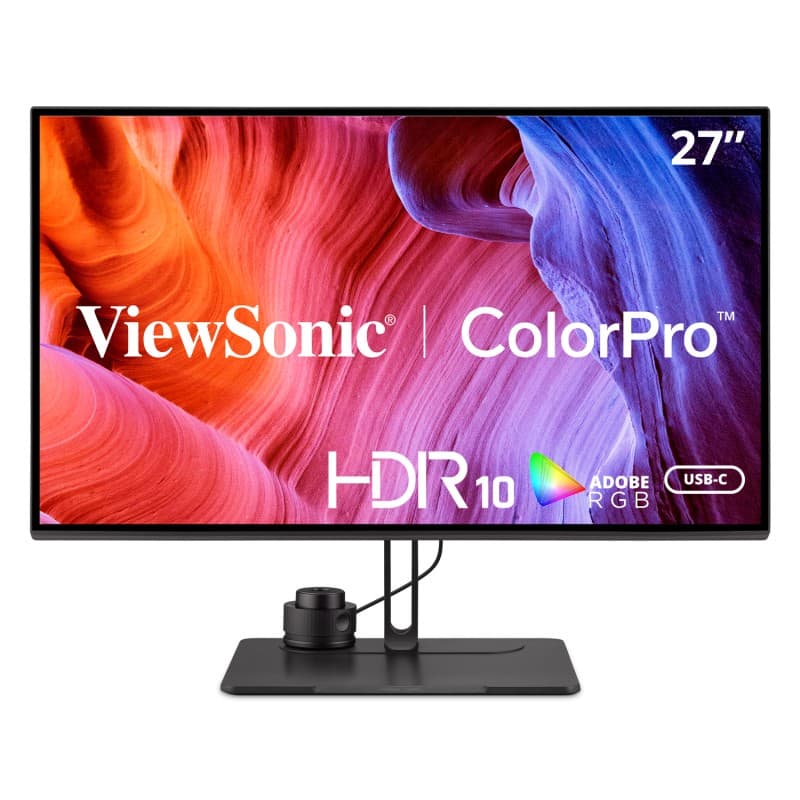
A 27-inch 4K with a factory-calibrated Adobe RGB and DCI-P3 panel, hardware LUTs, and a hood in the box. About $1,100, and most of that money is on the inside.
Read review→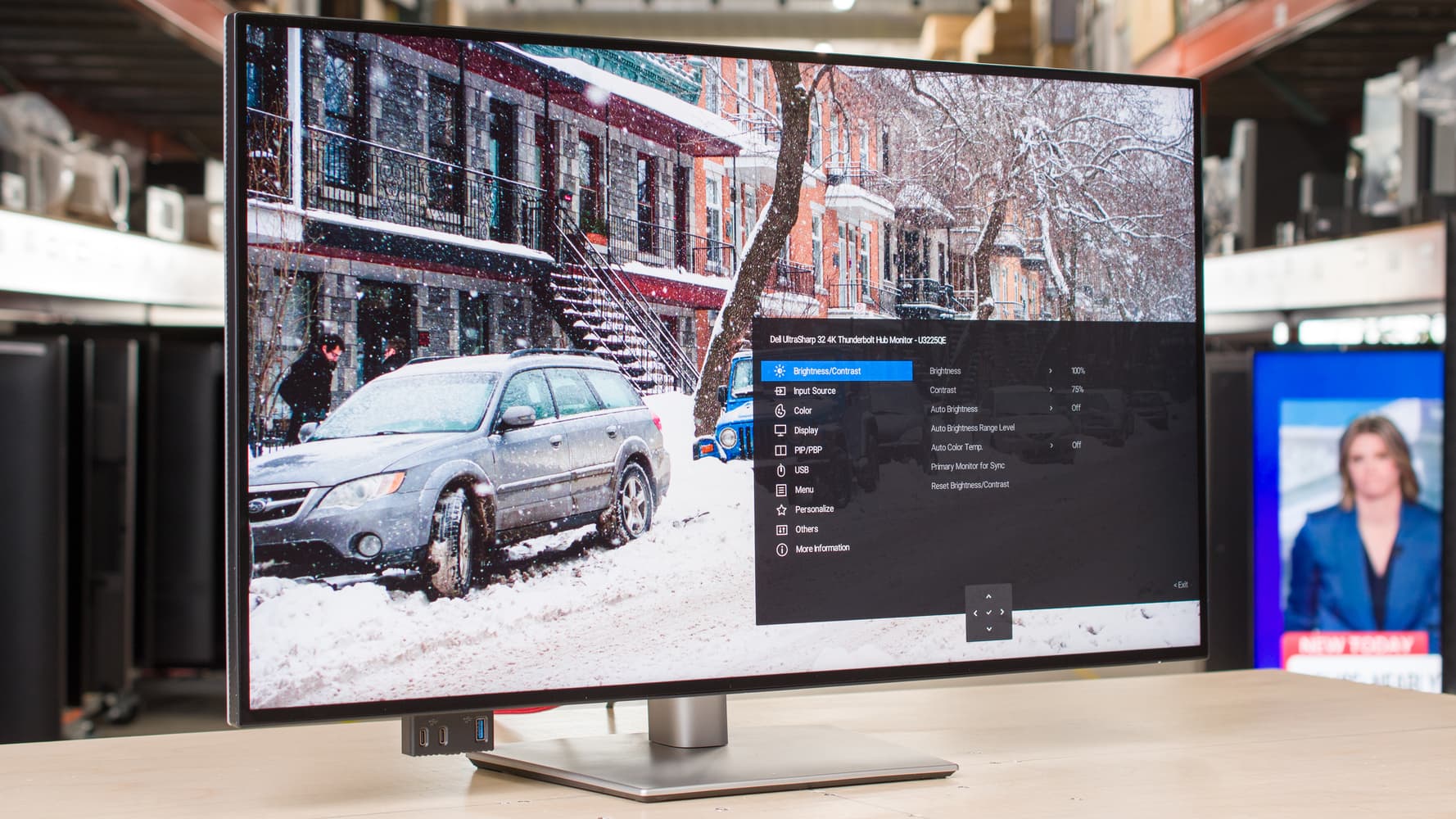
A 32-inch 4K IPS Black panel, a Thunderbolt 4 hub, and a stand that goes where you put it. Around $900 and it does the job without making a fuss.
Read review→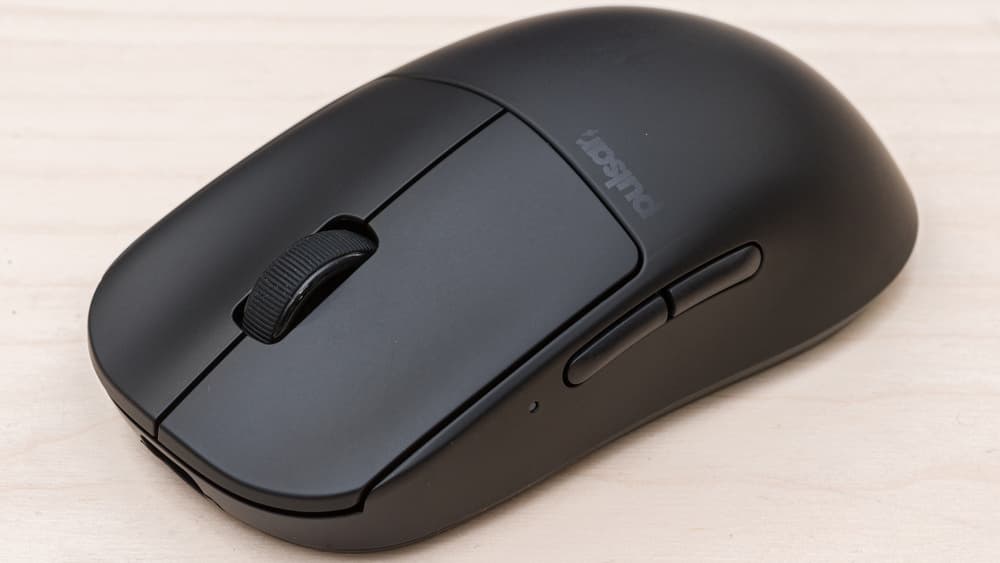
55 grams, a clean symmetrical shape, a top-tier sensor, and a price that undercuts the Razer and Logitech equivalents by half. Around $95.
Read review→